Part one
The Da Vinci Mind
Seven attributes appear again and again behind his work. None of them is a chart skill. Every one of them separates traders who keep progressing from traders who plateau.
The seven, together
One mind, seven habits
Each study pairs something Leonardo examined with its trading counterpart: the woodpecker and the unfamiliar chart, the heart valve and the dissected candle, the bronze horse and the equity curve that recovers. Choose one below to read its plate.

Your Da Vinci Question
What is it you must learn now that will take you from the results you are getting to the next level?
I
Curiosity
Hunger for what you do not yet know
Leonardo
“Describe the tongue of the woodpecker.”
That line sits on one of his to-do lists. Not a commission or a project: a question he asked himself simply because he did not know the answer. Anatomy, hydraulics, optics, botany, flight: he treated every one as unfinished business.
For the trader
Explore strategies, indicators and market drivers beyond the ones you already trust.
Learn what actually moves your instruments, not just what your setup tells you.
Study yourself as closely as you study the market. That is where most of the edge is left lying.
II
Attention to Detail
Rigour in what you observe and record
Leonardo
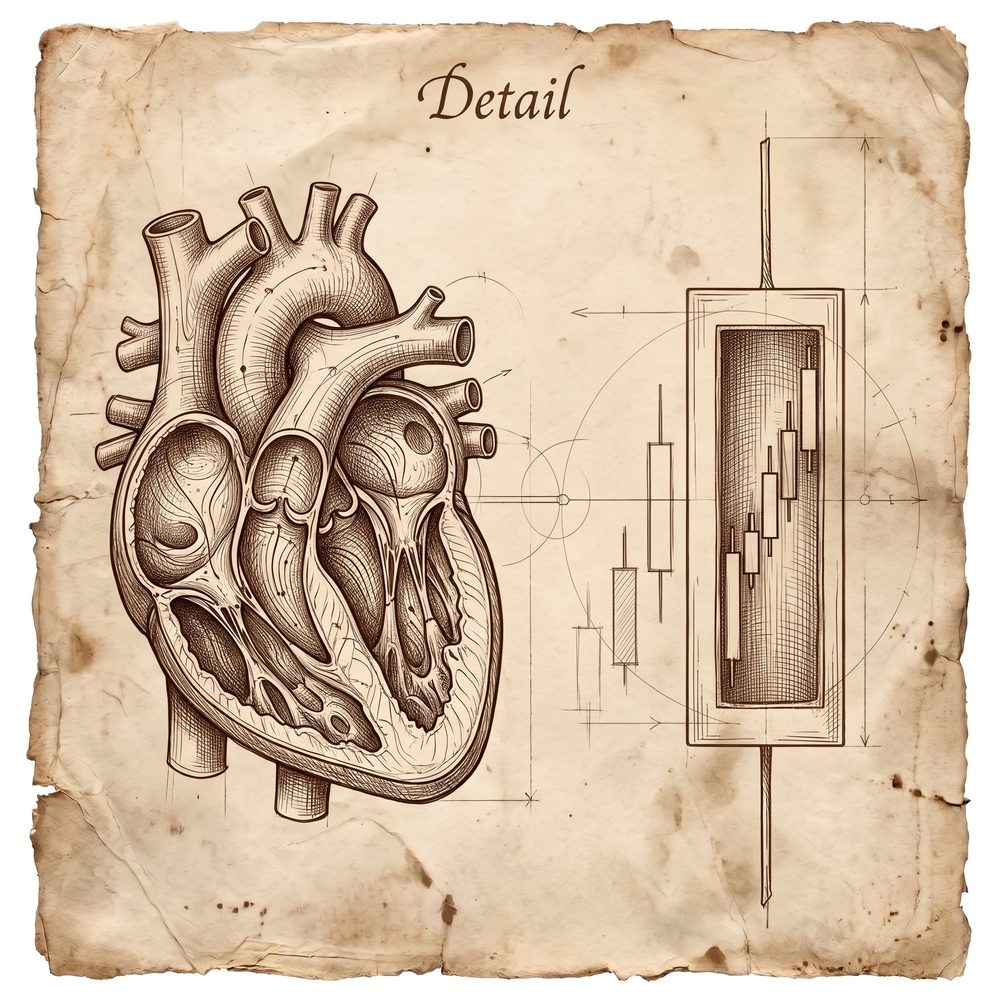
One heart valve. Thirty dissections.
To understand how blood moved through the aortic valve, he dissected, drew, then built a glass model and pumped water through it to watch the vortex form. He was proved right in the 1960s. The detail was not decoration; it was the whole point.
For the trader
Read the conditions surrounding a signal, not just the signal itself.
Record every trade in enough detail that it can be questioned months later.
Detail is the antidote to impulse, and to talking yourself out of what the data says.
Your Da Vinci Question
Where are the gaps in your detail — market awareness, system evidence or self-knowledge — that are holding your results back?
Your Da Vinci Question
Think of a time the market did something you could not explain, and it cost you. What do you need to understand to be ready next time?
III
Holistic Thinking
Everything connects, including your positions
Leonardo
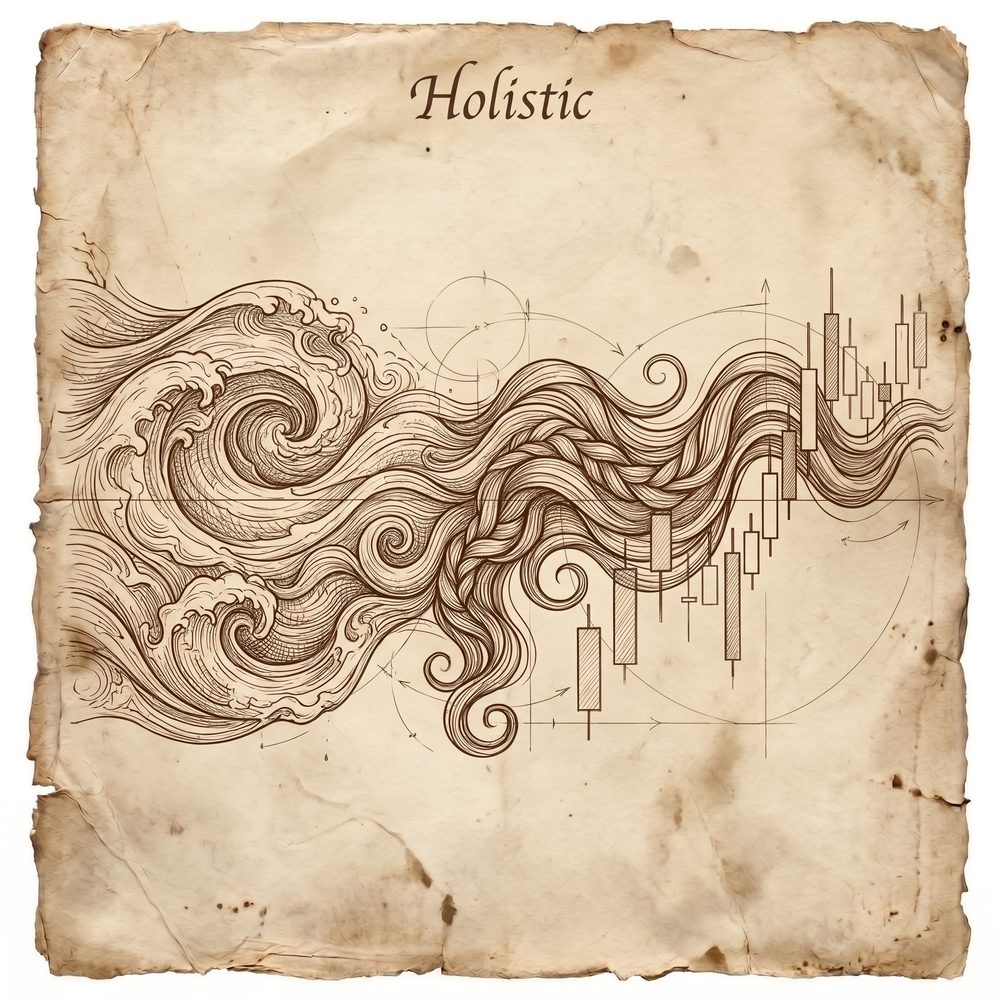
He studied river currents in order to paint hair.
Leonardo saw no boundary between subjects. Water taught him about braids; anatomy taught him about machines; geometry taught him about painting. The connections were the insight, not a by-product of it.
For the trader
Macro, sentiment, technicals and you interact. None of them stands alone.
How your open positions relate is a portfolio decision, not a trade decision.
Excellent individual trades mean little if combined exposure is left unmanaged.
IV
Discipline
The standard held when nobody is watching
Leonardo
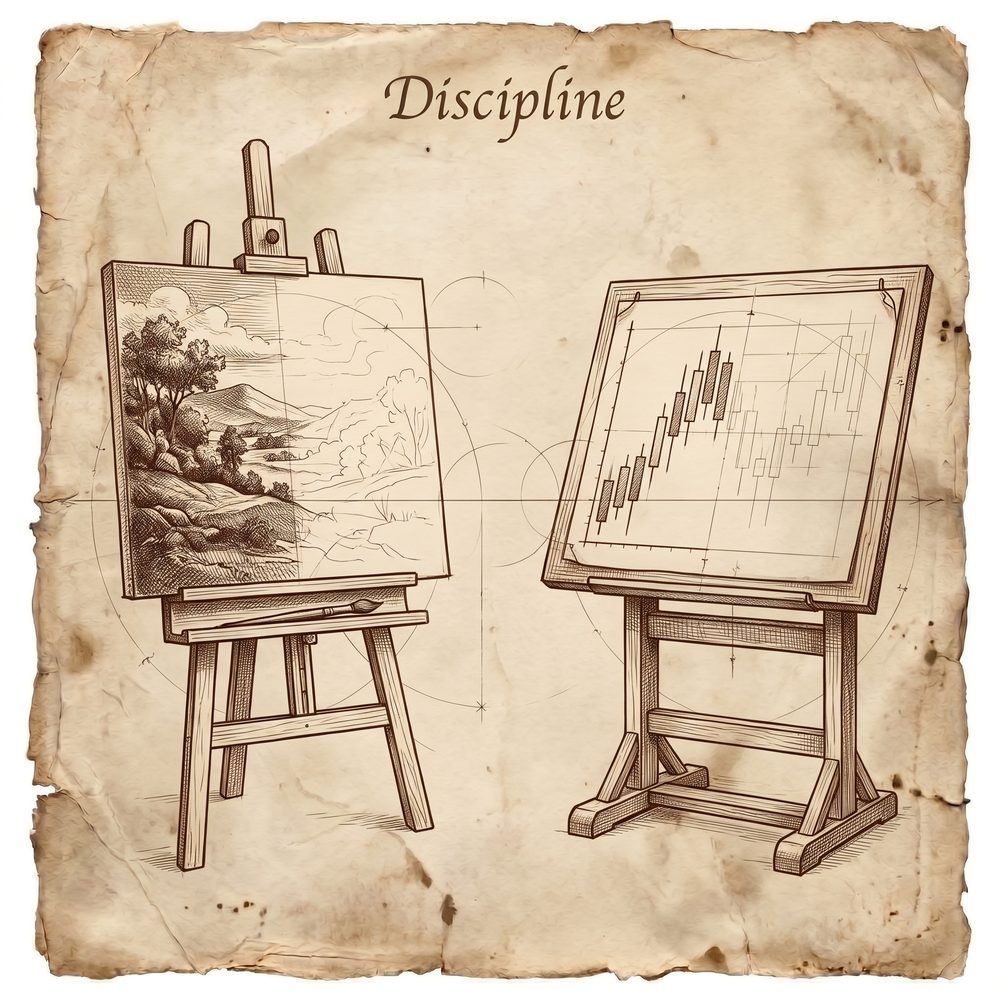
A painting left unfinished for thirty years.
The Adoration of the Magi sat incomplete rather than be released as a compromise. Dedication, for Leonardo, was not enthusiasm. It was thousands of hours held to a standard almost nobody else could see.
For the trader
Discipline is not only execution. It is the commitment to learn and to build properly.
Rigour in system development is discipline exercised before a single trade is placed.
There are no shortcuts. Those who look for them rarely reach their trading purpose.
Your Da Vinci Question
What must you recommit to fully — in learning, in system creation or in execution? What is your number one must-do?
Your Da Vinci Question
Look back at how you adapted to changing market conditions. What should you have learned, and what needs to be in place before it happens again?
V
Problem-Solving
Adapt the method, not the principles
Leonardo
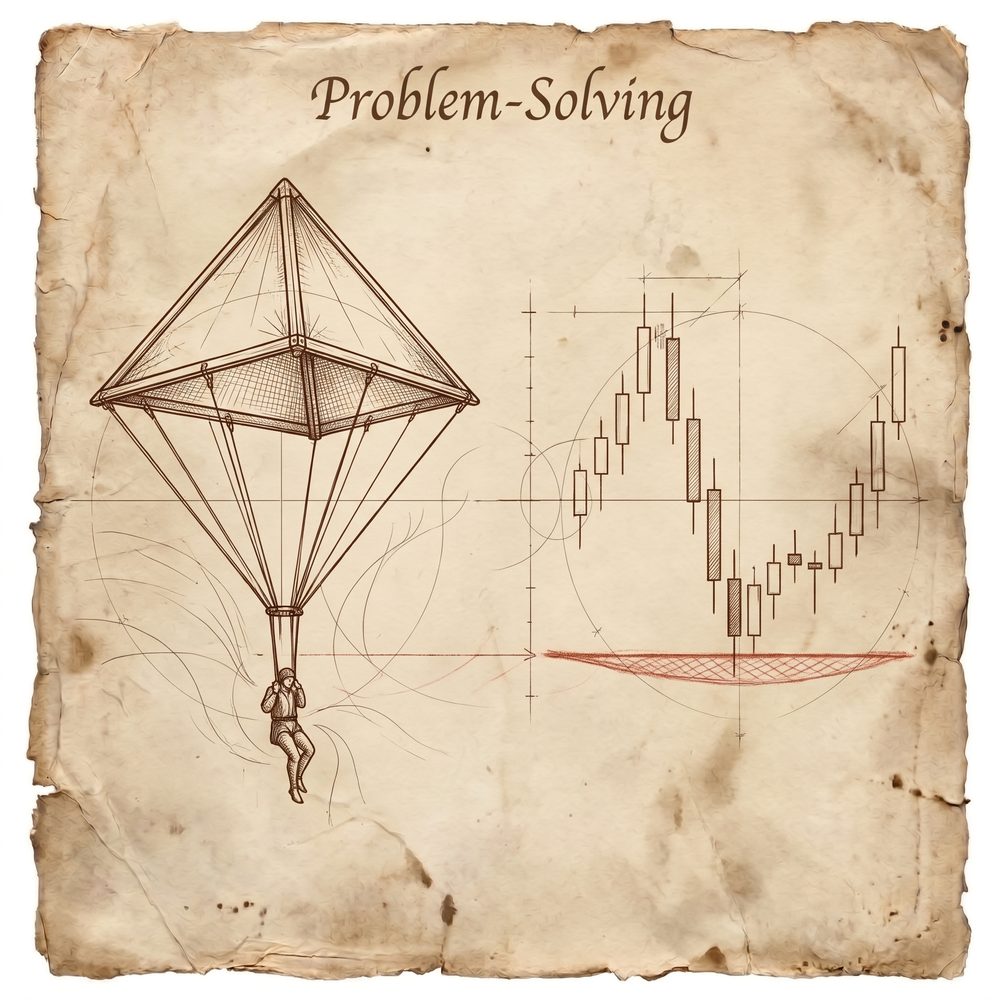
A parachute, for a problem that had not arrived yet.
He designed for conditions that did not yet exist. When a patron changed, a war started or funding vanished, he adapted the work rather than abandoning it, and he weighed the risk to a project before it began.
For the trader
Conditions change and static strategies decay. Build for the market you will meet, not the backtest.
Meet setbacks with critical thinking and evidence, never superstition.
Assess capital risk, open-profit risk and portfolio risk throughout, not once at entry.
VI
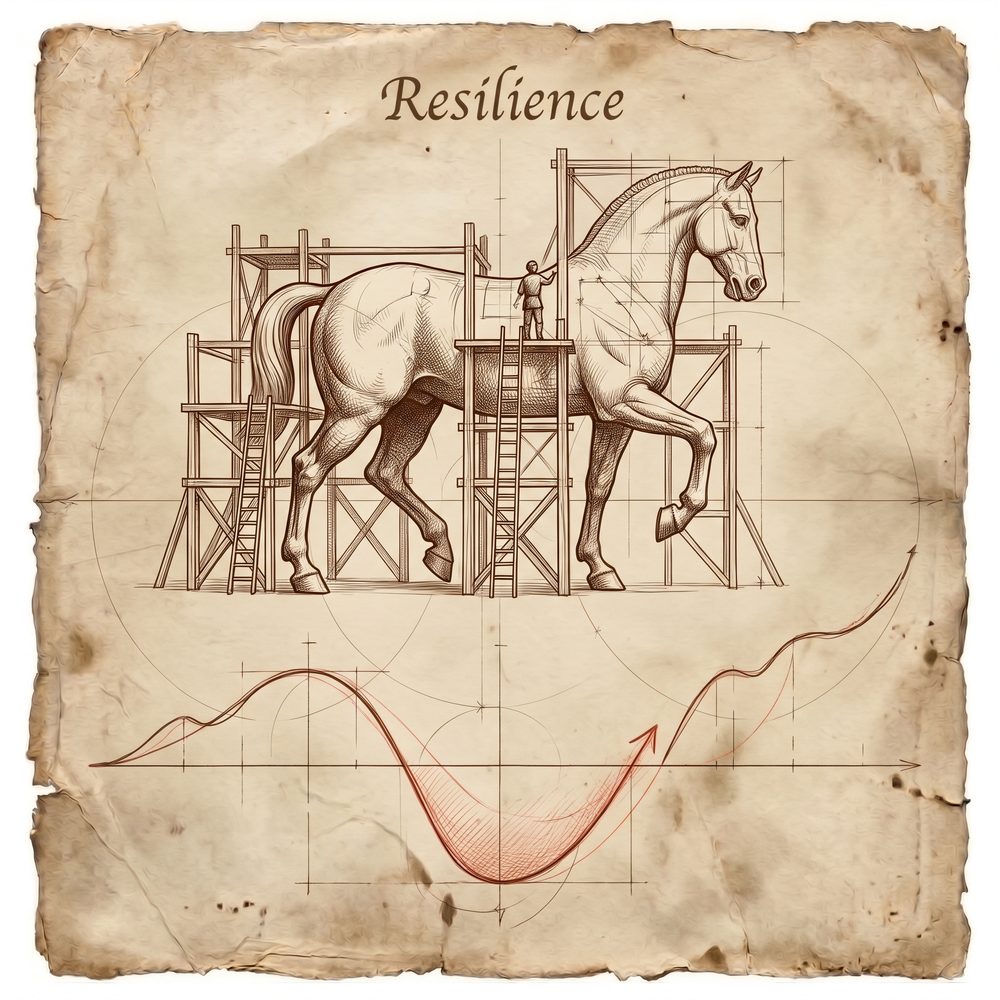
Resilience
What survives the losing run
Leonardo
Seventeen years on a bronze horse.
The Sforza monument was to be the largest equestrian statue ever cast. War came, the bronze became cannon, and soldiers used the clay model for target practice. He kept working.
For the trader
Losing runs are certain. The question is what survives them: the system, and you.
Learn to tell a system that has failed from one in a normal drawdown.
Set small goals and log the wins, so growth is evidenced rather than felt.
Your Da Vinci Question
Do you set trading goals that guide your development and give you evidence of growth as a trader?
Your Da Vinci Question
Are you collecting the right information to serve you well, and do you have a formal system to review it?
VII
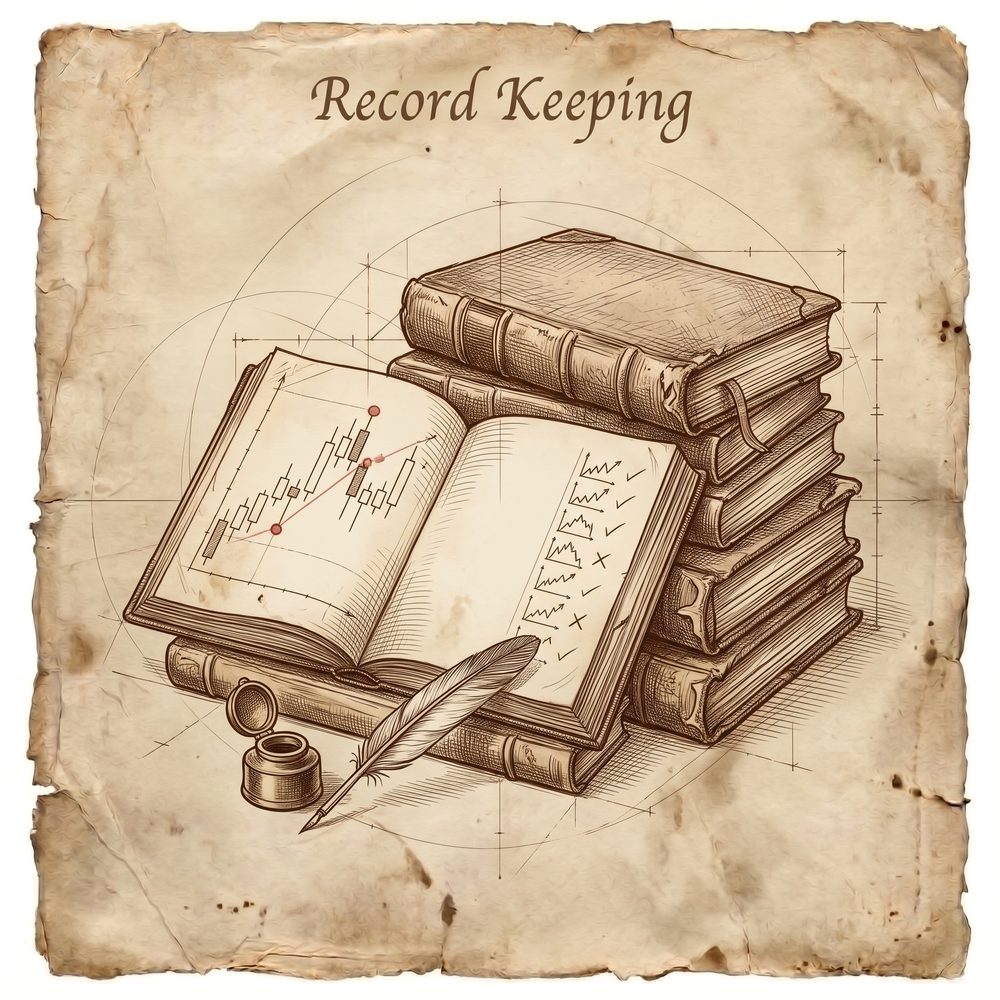
Record Keeping
The notebook is the evidence
Leonardo
13,000 pages. None of it for publication.
His notebooks are not finished work. They are observations, errors, corrections, second attempts and notes to himself. The record is the reason we know what he thought at all.
For the trader
A journal is the highest-leverage habit available to any trader, at any level.
Record the market context and your own state, not only entries and exits.
Review on a schedule. Otherwise you are collecting data you never use.
Your turn
Score yourself on all seven.
Your lowest score is where the next 30 days go. The assessment shows you which one it is.